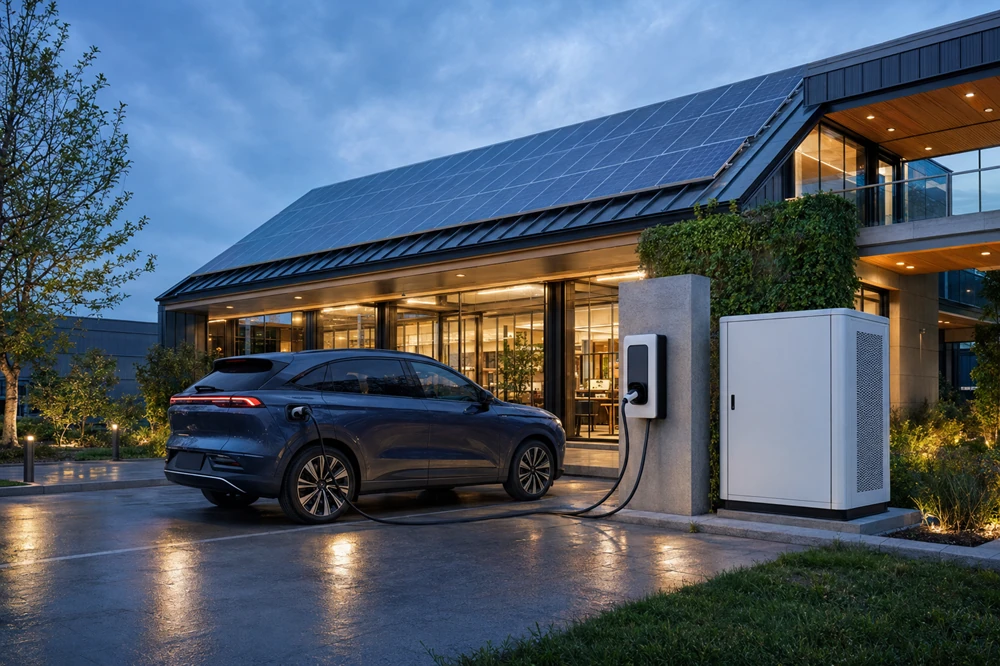
Scalable charging infrastructure for passenger vehicles, fleets and heavy-duty transportation.
GREn Group supports EV charging infrastructure planning and integration across residential, workplace, fleet, public and industrial applications. Our approach begins with vehicle duty cycles and user needs, then evaluates charging demand, dwell time, electrical capacity, utility service, site layout, controls, resilience, accessibility, safety and future expansion.
Transportation Decarbonization
Transportation electrification can reduce reliance on petroleum, lower operational emissions and connect mobility with an increasingly renewable power system. GREn Group helps clients translate fleet and mobility objectives into practical infrastructure strategies by coordinating vehicles, chargers, utility capacity, on-site solar, battery storage and intelligent controls. This integrated approach can support cleaner transportation while managing demand, strengthening resilience and preparing sites for long-term growth.
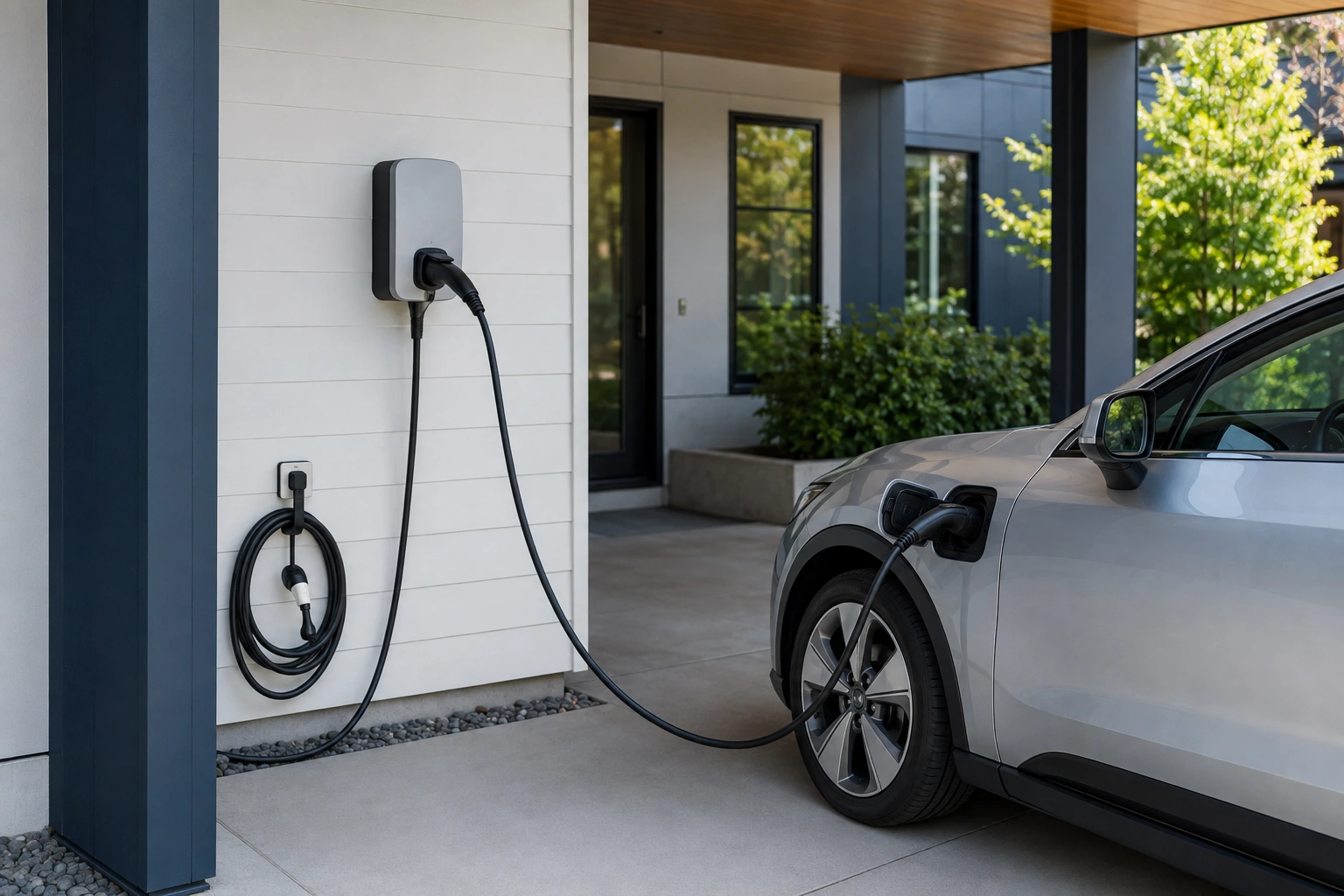
AC charging supports applications where vehicles remain parked long enough for lower power or moderate-power charging. Level 1 can serve limited-duty residential or long-dwell needs, while Level 2 is widely applicable to homes, multifamily properties, workplaces, destinations and fleet depots. Planning considers available voltage, circuit capacity, parking duration, utilization, accessibility and managed charging.
In North American markets, AC charging is commonly referred to as Level 1 and Level 2. In IEC markets, charging is typically described using charging modes (e.g. Mode 2 and Mode 3) and 230V / 400V systems, with single-phase or three-phase supply depending on the application.

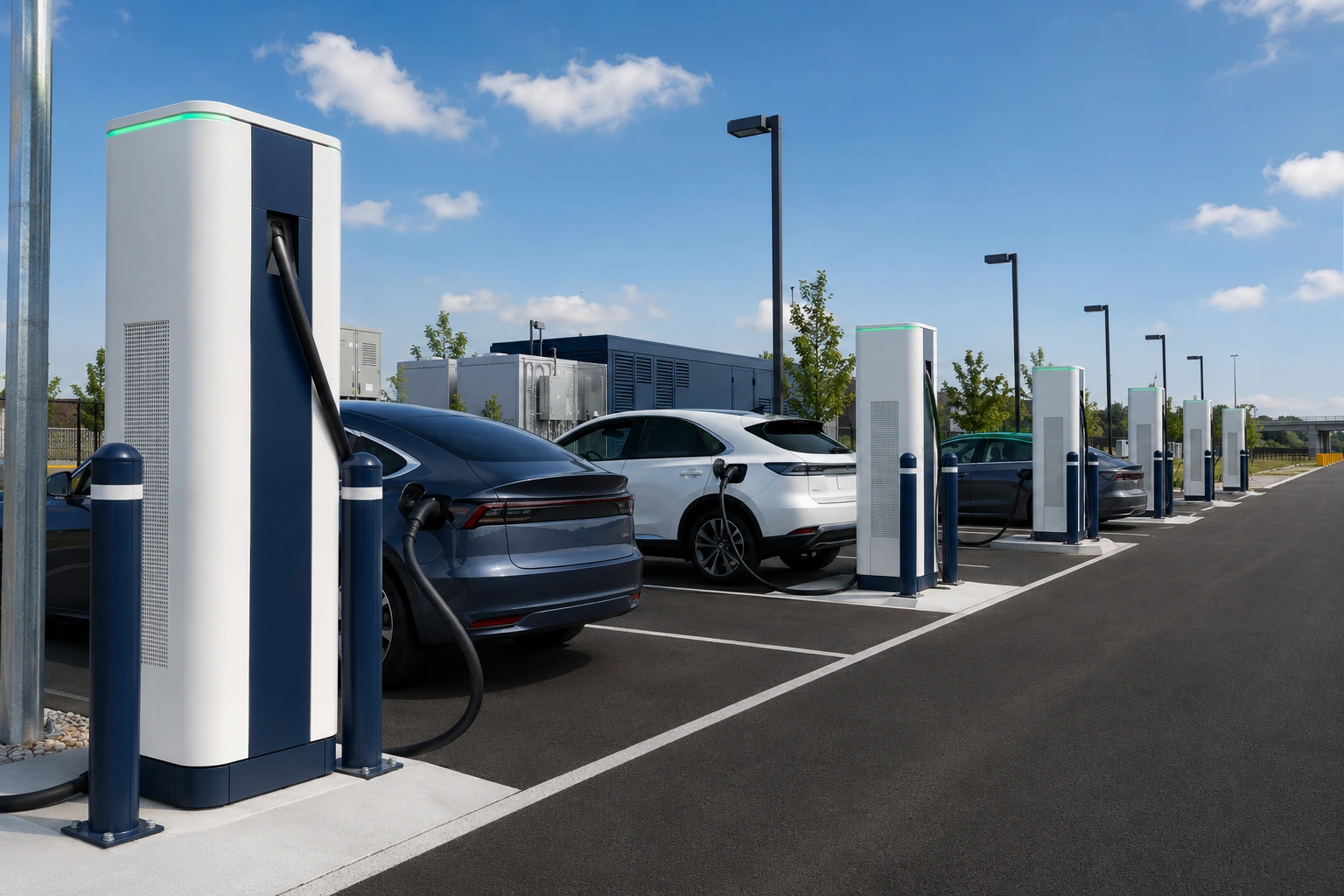
DC fast charging delivers higher power directly to the vehicle battery and is suited to public corridors, charging hubs, high-utilization sites and operational use cases that require shorter charging times. These projects require careful evaluation of utility capacity, demand profiles, equipment ratings, thermal performance, site circulation, redundancy, interoperability and lifecycle operating cost.
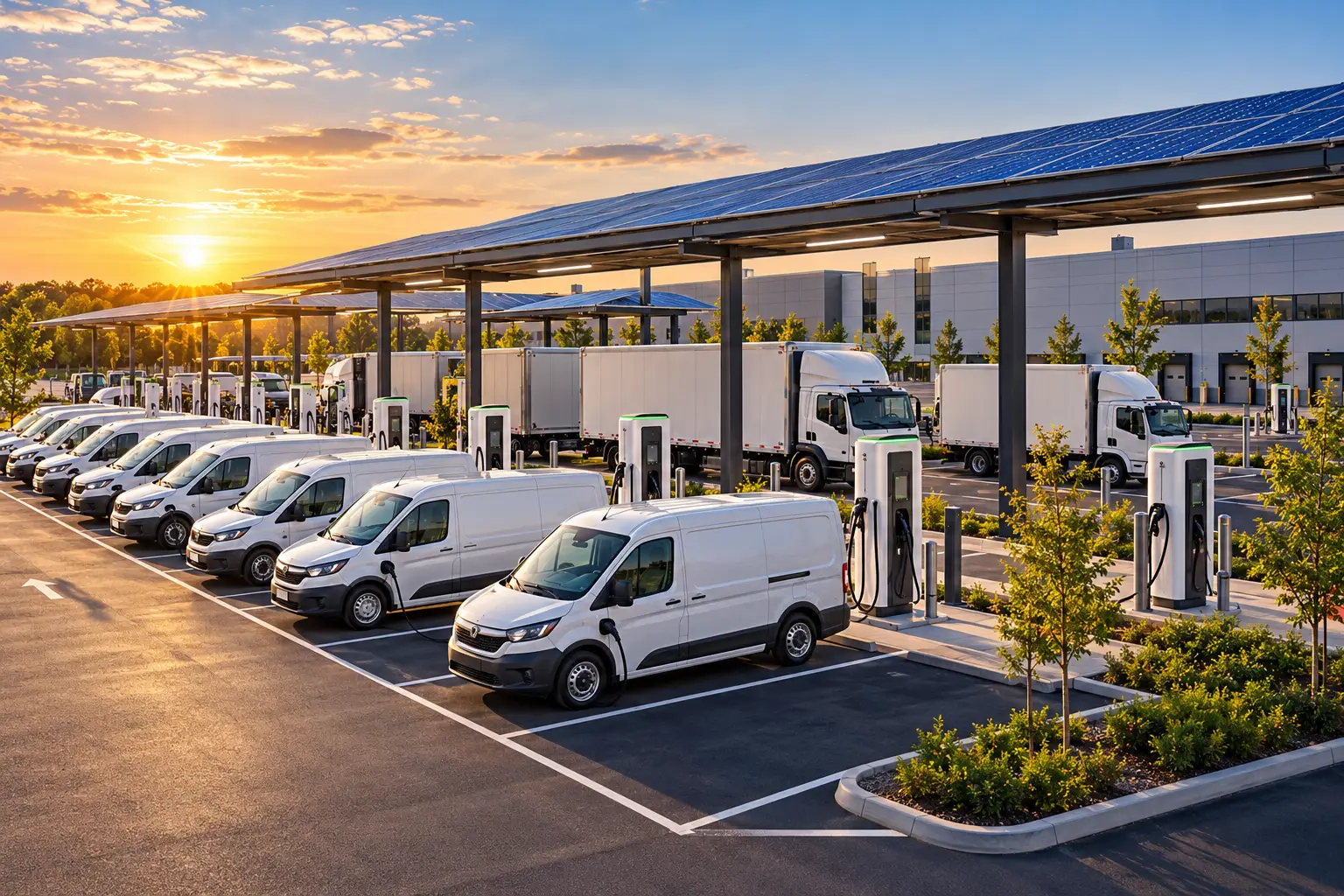
Fleet charging aligns infrastructure with routes, schedules, vehicle classes and operational priorities. A scalable plan may combine depot charging, opportunity charging, energy management, phased electrical upgrades and resilience measures. GREn Group helps clients evaluate charging windows, simultaneous demand, charger-to-vehicle ratios, site logistics,utility coordination and expansion pathways.
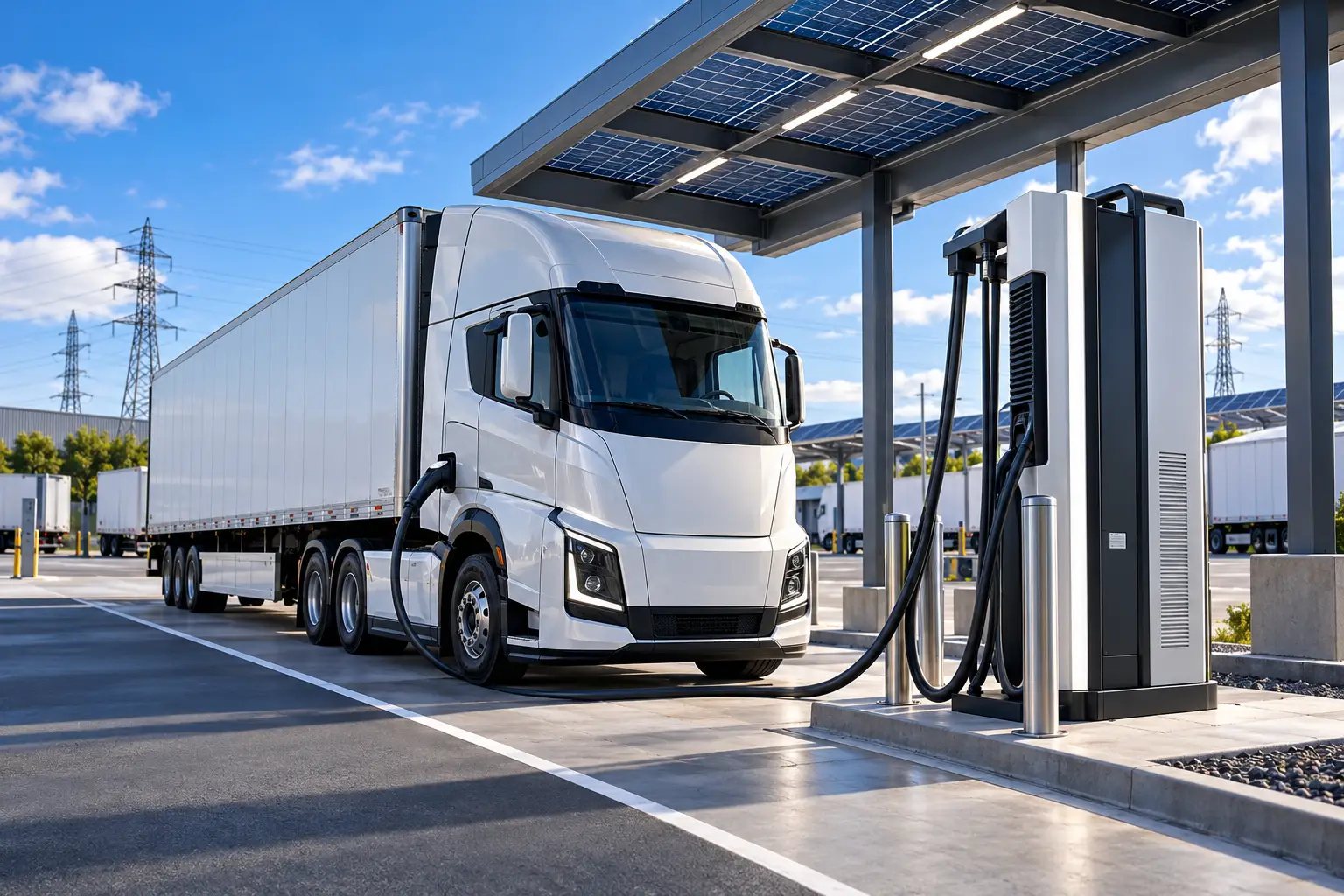
MCS is an emerging high-power charging approach intended for heavy-duty electric transportation and other demanding applications. Its integration requires specialized consideration of very high electrical demand, utility service, power conversion, cable and connector handling, thermal management, equipment clearances, safety, operational dwell time and staged deployment. GREn Group can support technology-neutral planning as MCS standards, equipment and market adoption continue to mature.
Smart charging can shift or modulate vehicle demand in response to site limits, operating priorities, energy prices or grid conditions. Where compatible vehicles, chargers, controls and interconnection arrangements are available, bidirectional charging may also allow stored vehicle energy to support a home (V2H), building (V2B) or the electric grid (V2G). GREn Group evaluates these capabilities as part of an integrated energy system rather than as stand-alone charging equipment.
EV charging can be integrated with solar PV, battery energy storage, microgrids and energymanagement systems to manage peak demand, improve resilience and increase the use of renewable electricity. Technology selection remains specific to the site, vehicles, jurisdiction, utility requirements, commercial model and responsibilities agreed with the client.
Write to us to discuss your renewable energy, infrastructure, or energy transition goals.